Jhilmil Jheel —
Barasingha, Wetlands
& 87+ Migratory Birds
The last known habitat of the Swamp Deer in Uttarakhand. North India's most important birding wetland. Open two weeks longer than the main park — until June 30. A truly unique ecosystem unlike any other zone in Rajaji.
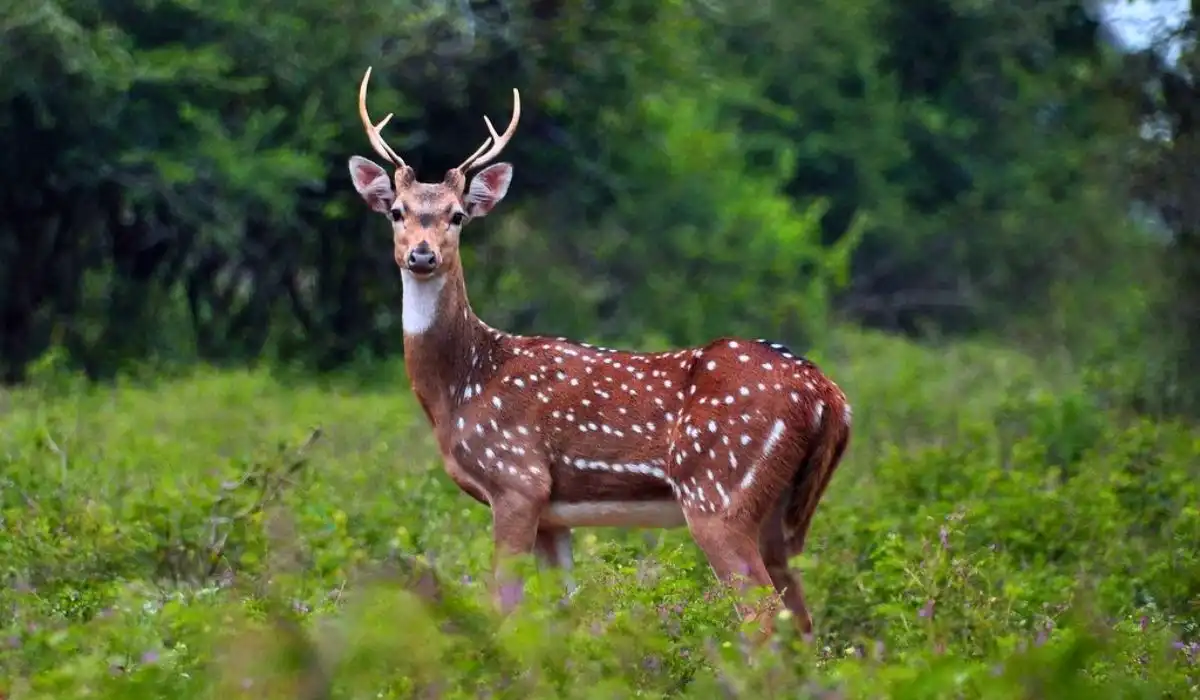
Bird Species
What Makes Jhilmil Jheel Irreplaceable?
Jhilmil Jheel is not just another safari zone — it is a Conservation Reserve, a distinct category of protected area that recognises its unique ecological significance. It is Uttarakhand's only wetland reserve — the only place in the entire state where seasonal marshes, ox-bow lakes, and tall Saccharum grasslands create the specific habitat that the Barasingha (Swamp Deer) requires.
The Barasingha once ranged across the Himalayan terai from Punjab to Bengal. Today, the Jhilmil Jheel population represents the last known Barasingha in Uttarakhand — a wildlife conservation fact of the highest importance. Visiting Jhilmil Jheel is, for many wildlife enthusiasts, a pilgrimage to see one of India's rarest deer before its habitat disappears.
Beyond the Barasingha, Jhilmil Jheel's wetland draws 87 migratory bird species from Central Asia and Siberia every November — including the globally vulnerable Pallas's Fish Eagle. Jhilmil also stays open two weeks longer than the rest of Rajaji (until June 30 vs June 15) making it uniquely valuable for late-season visitors.
The Barasingha — Uttarakhand's Rarest Deer
The entire reason Jhilmil Jheel exists as a protected area is the Barasingha. Understanding this deer — its ecology, its story, and its fragility — transforms a wetland visit into something much more significant.
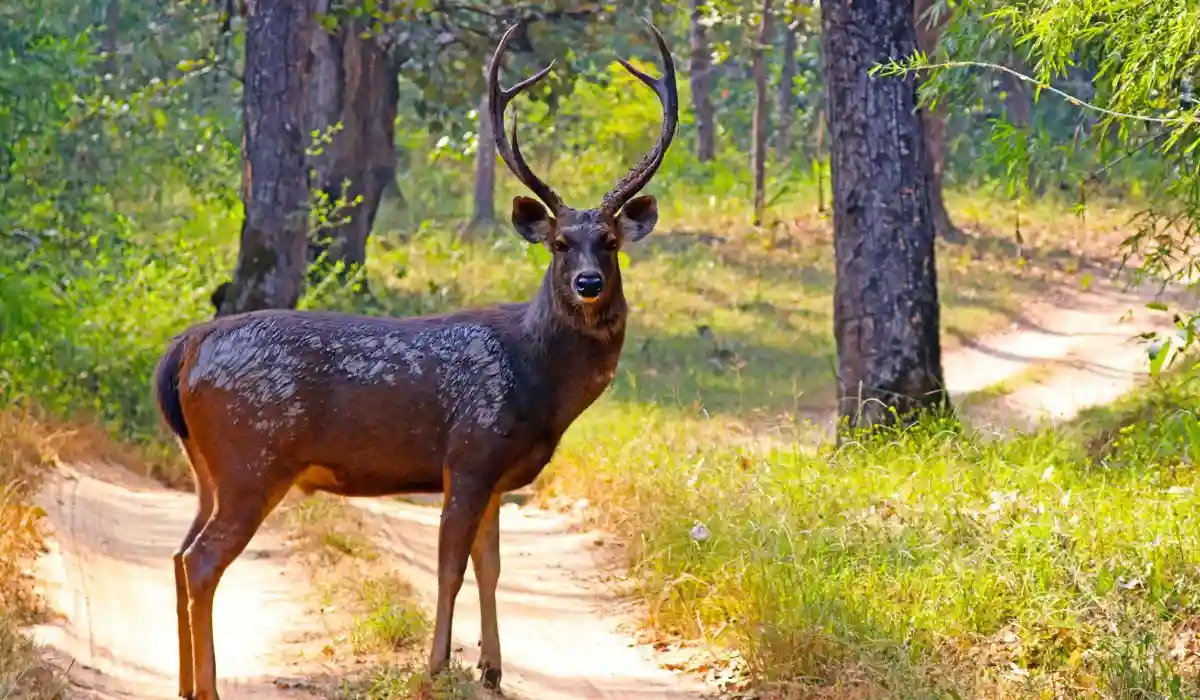
The name “Barasingha” comes from Hindi — “bara” (twelve) and “singha” (antler) — referring to the male's distinctive multi-tined rack that can carry up to 14 tines in mature bulls. Also called the Swamp Deer, this species evolved specifically for wetland habitats: their hooves are elongated and semi-splayed to distribute weight on soft, waterlogged ground.
The Barasingha once ranged across India's entire Himalayan terai belt. Conversion of wetlands to agriculture eliminated most of this range in the 20th century. Today, the only surviving populations are in Kaziranga and Manas (Assam), Kanha (Madhya Pradesh), Dudhwa (Uttar Pradesh), and — this tiny, precious group — at Jhilmil Jheel in Uttarakhand.
87+ Migratory Species — North India's Top Birding Wetland
Every November, birds from Central Asia, Siberia, and the Tibetan plateau descend on Jhilmil Jheel. The wetland's fish-rich waters and sheltered grasslands make it an irresistible stopover on one of Asia's most important flyways.
A spectacular raptor that plunges into shallow water for fish. Arrives from Central Asia in November. One of the most sought-after sightings for raptor enthusiasts visiting Rajaji.
India's only resident stork species — tall, unmistakable with iridescent black-and-white plumage and red legs. Jhilmil's marshes are ideal feeding habitat for this impressive bird.
Famous for crossing the Himalayas at altitudes above 8,000 m. Large flocks arrive at Jhilmil in November direct from Tibetan breeding grounds. The loud honking of arriving flocks at dawn is remarkable.
Hovers over the Jhilmil stream before plunging for fish. Very active along stream margins at sunrise. One of the most photographed birds in the reserve — striking black-and-white plumage, perfect hover technique.
More Birds Recorded at Jhilmil Jheel
Best Season for Jhilmil Jheel
Jhilmil offers very different experiences across its long open season. Each period has distinct wildlife highlights — here is an honest guide.
- 87+ migratory birds at peak — arrive in November
- Pallas's Fish Eagle, Bar-headed Goose, Pochards present
- Barasingha most visible — tall grass dies back
- Cool comfortable temperatures (5–22°C)
- Best photography light — winter golden hours
- Book 2 weeks in advance (December–January)
- Barasingha still present — grass lower than monsoon
- Many migratory birds still present (until March)
- Resident birds in breeding plumage — excellent photography
- Warm comfortable weather (15–32°C)
- Otters active in Jhilmil stream
- Easy to book — less crowded than winter
- Main Rajaji closes June 15 — Jhilmil open 2 extra weeks
- Resident breeding birds — nesting activity
- Very few visitors — completely private experience
- Hot afternoons but cool early mornings (5:30 AM start)
- Good for photographers who want solitude
- Barasingha present but harder to spot in tall grass
Jhilmil's Unique Late Season Window
When all other Rajaji zones close on June 15, Jhilmil Jheel stays open until June 30. This two-week window is exceptional for birders and photographers — the reserve is completely quiet, resident birds are in full breeding activity, and the wetland is lush from pre-monsoon warmth. If you missed the peak winter season, a late-June Jhilmil safari is a genuinely special experience.
More Animals at Jhilmil Jheel
Beyond the Barasingha and birds, Jhilmil's wetland and adjacent forest support a range of mammals and reptiles.
How to Reach Jhilmil Jheel
Jhilmil Jheel is approximately 30 km from Haridwar on the NH-58 towards Rishikesh, slightly beyond Motichur Gate. A taxi from Haridwar takes 45–55 minutes.
From Haridwar
- Take NH-58 towards Rishikesh (same road as Motichur Gate)
- Continue ~30 km past Haridwar city — past Motichur Gate at 8 km
- Follow signs for Jhilmil Jheel Conservation Reserve
- Taxi from Haridwar: ₹450–600 ⋅ 45–55 minutes
- Auto-rickshaw not recommended — distance is too far
From Rishikesh
- Take NH-58 towards Haridwar (opposite direction from Jhilmil)
- Jhilmil is between Rishikesh and Haridwar — ~22 km from Rishikesh
- Taxi from Rishikesh: ₹400–550 ⋅ 40–50 minutes
- Combine with Motichur Zone on same day — both on NH-58
GPS & Landmarks
- Search “Jhilmil Jheel Conservation Reserve” on Google Maps
- Landmark: look for forest signage after the Motichur area on NH-58
- Gate is set back from the highway — follow approach road
- WhatsApp 7820012558 for exact directions and gate timing
Book Your Jhilmil Jheel Safari
Jhilmil Zone Prices 2026
- Entry fee (Indian adult): ₹150/person
- Jeep safari (Indian): ₹2,500/vehicle (max 6)
- Entry fee (Foreign): ₹600/person
- Jeep safari (Foreign): ₹4,500/vehicle
- Season close: June 30 (2 weeks after main park)
Best Combination
Jhilmil Jheel pairs perfectly with Motichur Zone — both are on NH-58. Do a morning Motichur safari + afternoon Jhilmil visit for leopards/birds in the morning and the wetland in the afternoon. WhatsApp us to arrange both permits together.
Unique to Jhilmil
- Only Barasingha habitat in Uttarakhand
- Open June 30 — 2 weeks after all other zones
- 87+ migratory species in winter
- Smooth-coated Otter — rarely seen elsewhere
- Wetland ecosystem unlike any other Rajaji zone
Jhilmil Jheel FAQ
Book Jhilmil Jheel Safari Today
The only place in Uttarakhand where you can see the Barasingha. WhatsApp for instant availability.
Available 7 AM – 9 PM · All Zones → · Prices →