Home Safari Zones Wildlife Best Time Ticket Price FAQ Book Safari โ†’
Wildlife Guide 2026

Rajaji National Park
Wildlife - Complete
Species Guide

50+ mammal species ยท 315+ bird species ยท Critically rare Gharial and Barasingha. Rajaji Tiger Reserve sits at the north-western distribution limit of both the Bengal tiger and the Asian elephant in India - making its biodiversity ecologically irreplaceable.

50+Mammal Species
315+Bird Species
50+Bengal Tigers
500+Asian Elephants
250+Leopards
110+Tree Species
Flagship Species

The Big Three - Rajaji's Wildlife Icons

Rajaji is the north-western distribution limit for both the Bengal tiger and Asian elephant in India - an ecological distinction no other park holds. These three animals define Rajaji's global wildlife significance.
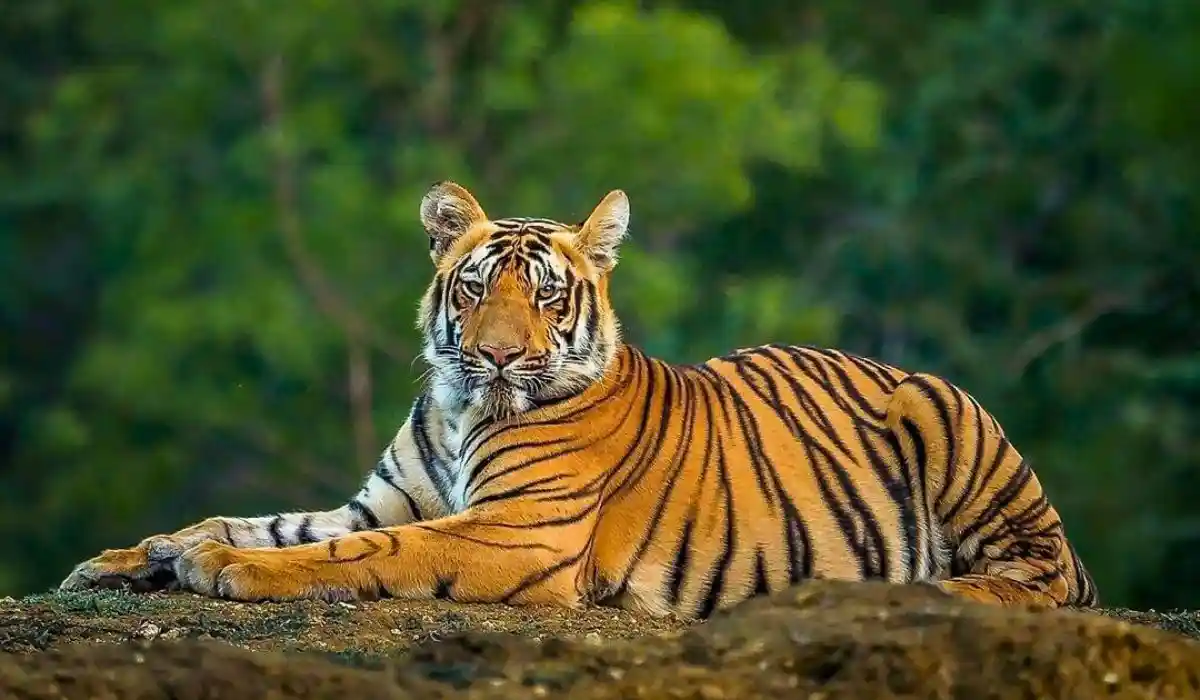
Bengal tiger in Rajaji National Park Chilla zone
Endangered
Bengal Tiger
Panthera tigris tigris
Rajaji has 50+ Bengal tigers. The park was declared India's 48th Tiger Reserve in 2015 under Project Tiger. Chilla Zone's 36-km canal road is the single most productive tiger corridor in the reserve.
๐Ÿ“ Best: Chilla Zone ยท Jan-May Mornings
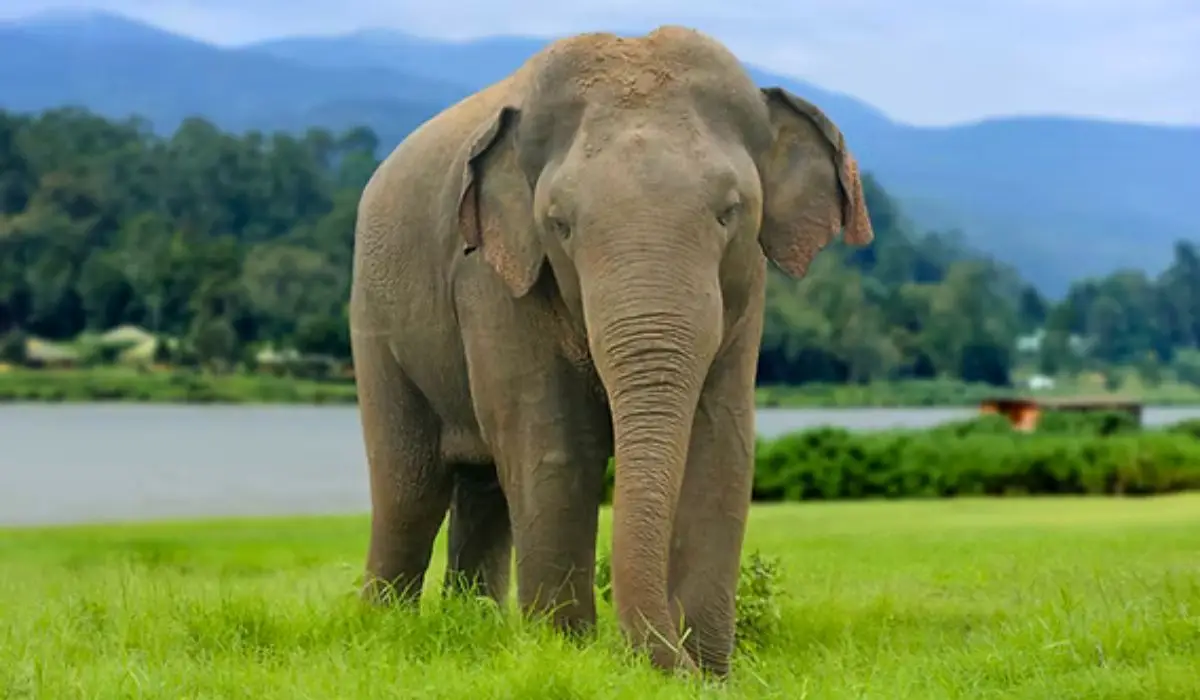
Asian elephant herd at Rajaji National Park Ganga riverbank
Endangered
Asian Elephant
Elephas maximus indicus
350-500 elephants make Rajaji one of India's most important elephant habitats. The park is the north-western distribution limit for Asian elephants in India. Daily herds of 15-50 animals are seen along the Ganga canal road at sunrise.
๐Ÿ“ Best: Chilla Zone ยท Year-Round
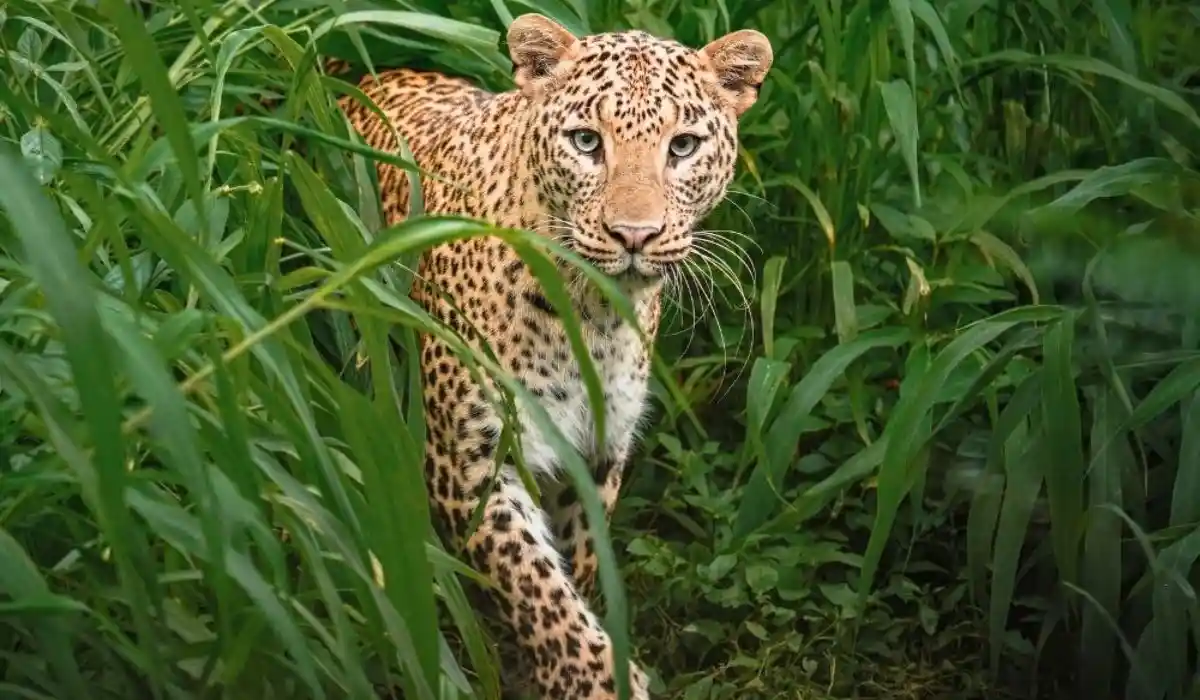
Indian leopard in Rajaji National Park Motichur zone
Vulnerable
Indian Leopard
Panthera pardus fusca
With 250+ leopards, Rajaji has one of North India's densest leopard populations. Leopard sightings are actually more frequent than tiger sightings. Motichur Zone leopards rest in trees at forest edges; Ranipur Zone leopards use rocky outcrops as vantage points.
๐Ÿ“ Best: Motichur ยท Ranipur ยท Dawn & Dusk
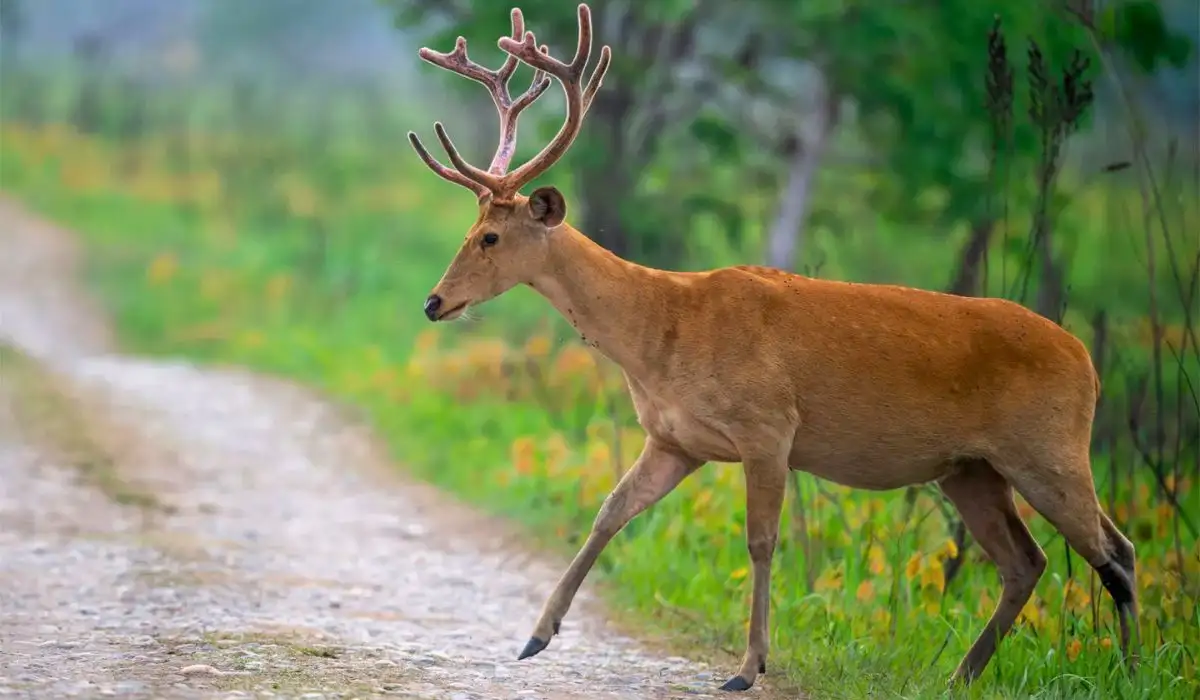
Swamp deer Barasingha Jhilmil Jheel Rajaji
Barasingha (Swamp Deer)
Cervus duvaucelii
Critically Rare
Jhilmil Jheel only
Last known Barasingha habitat in Uttarakhand. Multi-tined antlers - "Barasingha" means twelve-tined. Best seen Nov-Feb when wetland vegetation is low.
Swamp deer Barasingha Jhilmil Jheel Rajaji
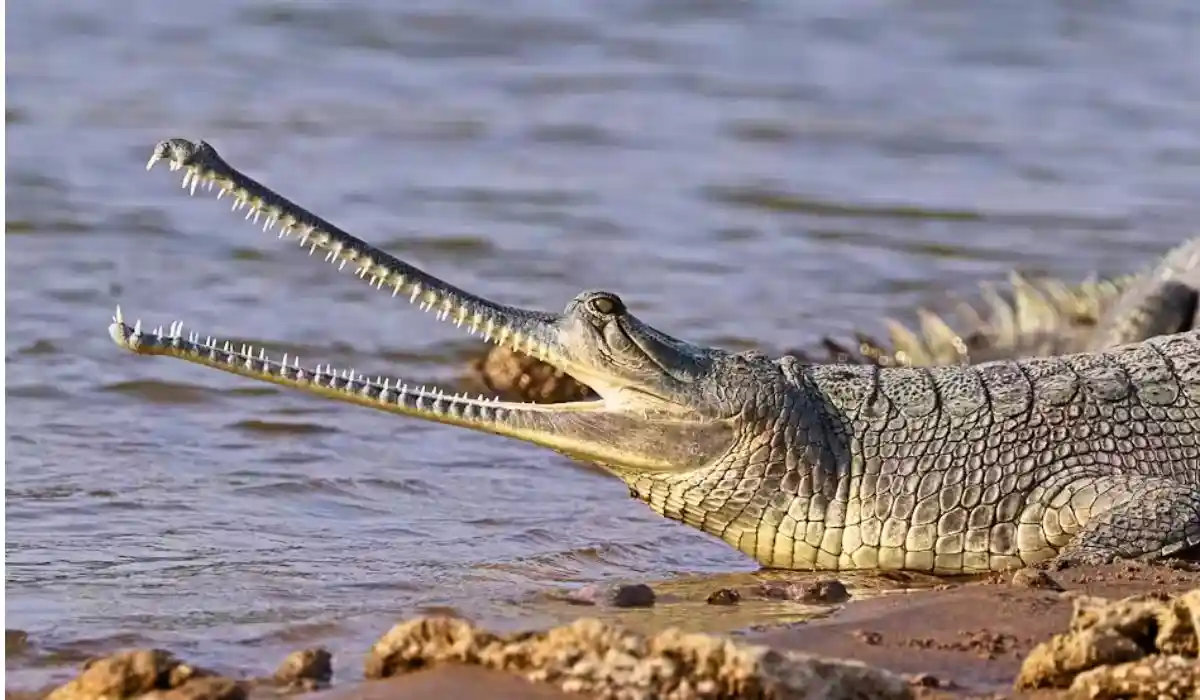
Gharial
Gavialis gangeticus
Critically Endangered
Ganga banks ยท Chilla Zone
Fish-eating crocodilian with long narrow snout. Sunbathes on Ganga sandbanks. One of India's rarest reptiles - Rajaji is one of the best places to see it in the wild.
Swamp deer Barasingha Jhilmil Jheel Rajaji
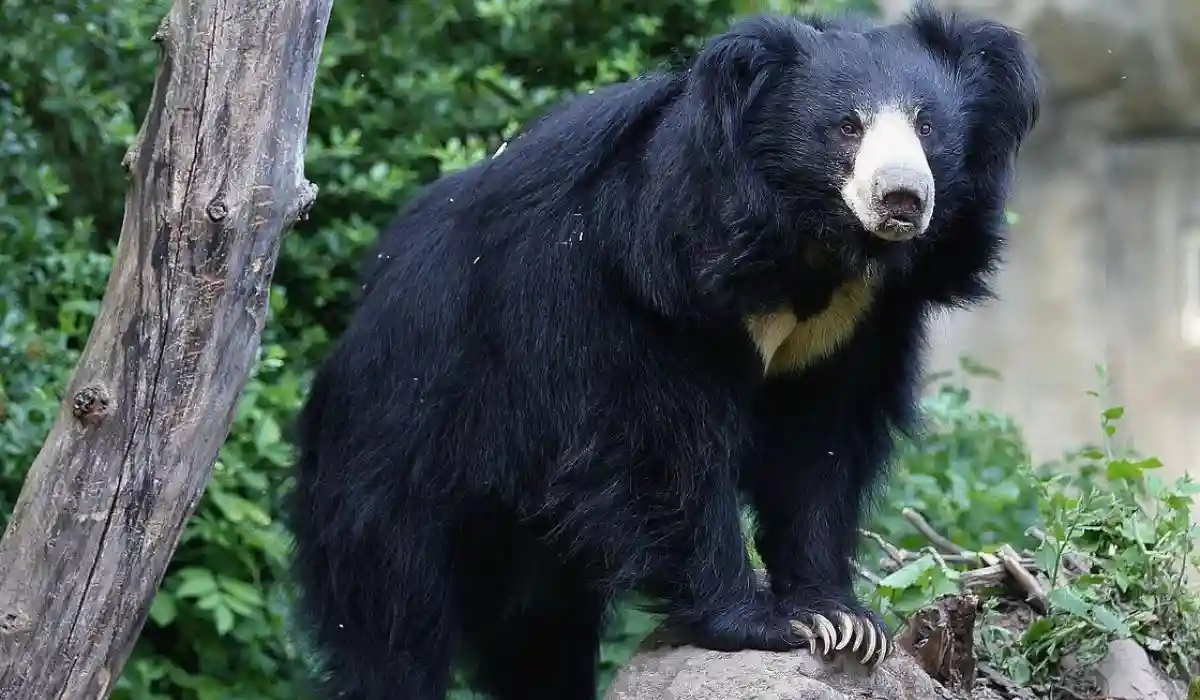
Sloth Bear
Melursus ursinus
Vulnerable
All zones ยท Early morning
Shaggy, insectivorous bear. Mostly nocturnal but spotted in early morning safaris near fruiting trees and termite mounds. Distinctive "huff" sound when surprised.
Swamp deer Barasingha Jhilmil Jheel Rajaji
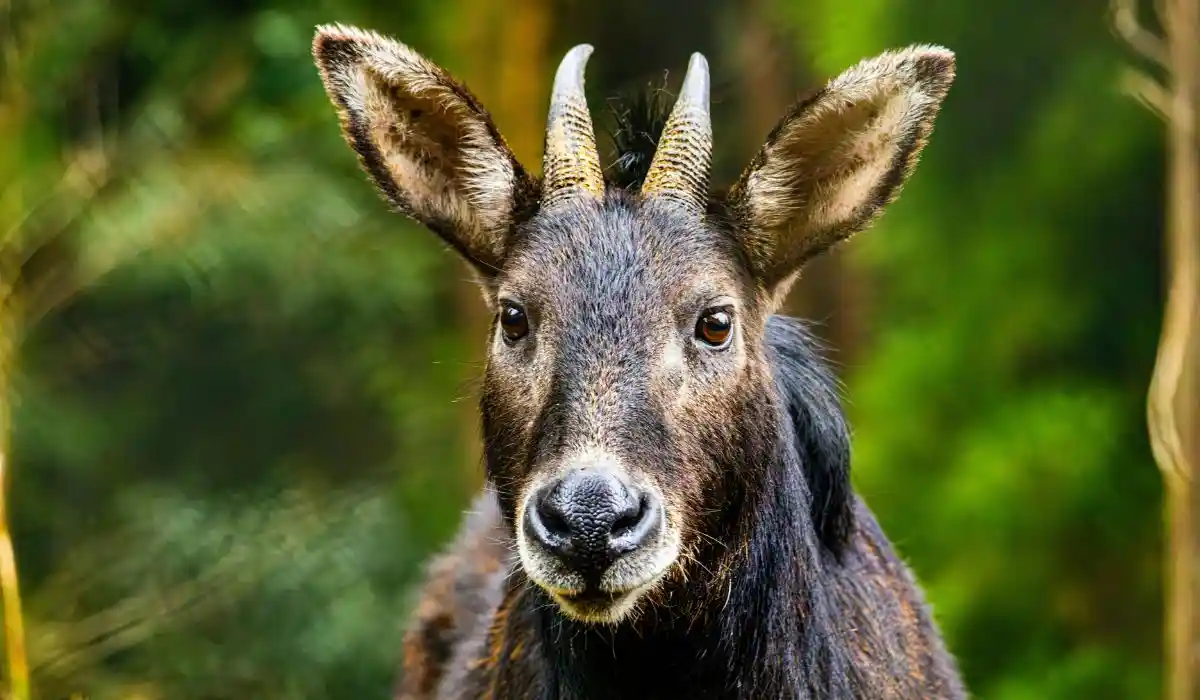
Himalayan Goral
Naemorhedus goral
Near Threatened
Best: Ranipur ยท Mohand
Sure-footed mountain goat inhabiting steep Shivalik ridges. Nimble on rocky outcrops. Best spotted in Ranipur Zone where rocky terrain provides ideal habitat.
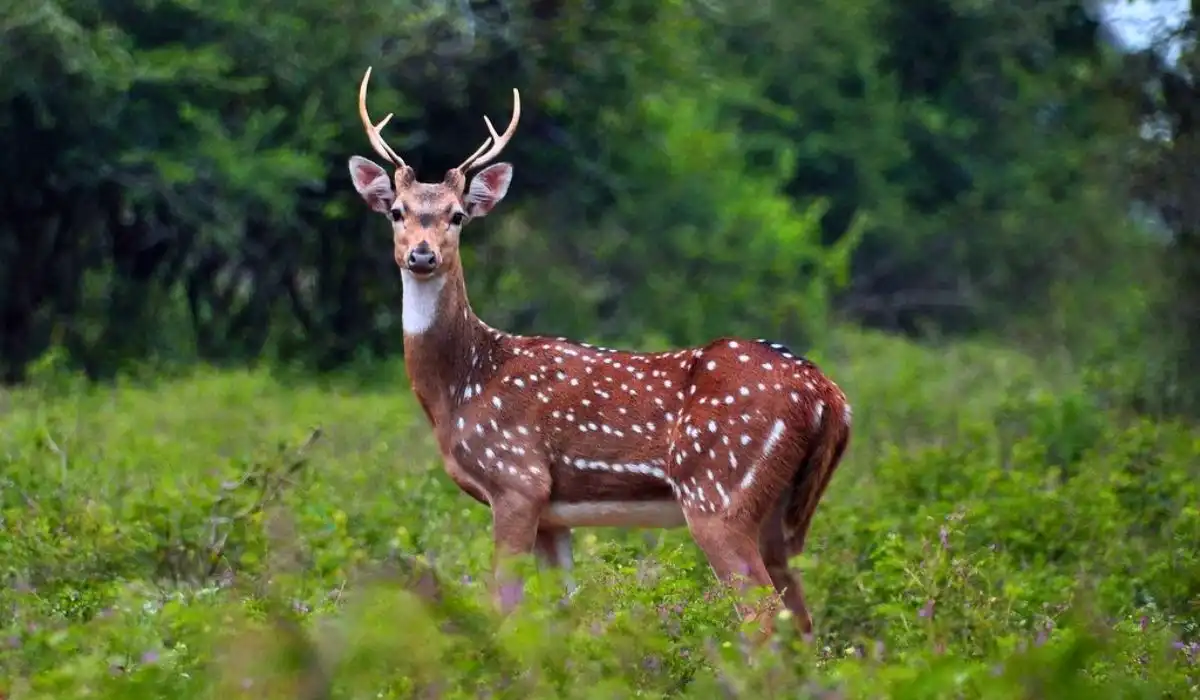
Spotted deer chital in Rajaji forest
Spotted Deer (Chital)
Axis axis
Least Concern
All zones ยท Very Common
Most abundant deer in Rajaji. Large herds graze in riverine grasslands. Their sharp "pok-pok" alarm call signals a predator nearby - always listen for it during safari.
Spotted deer chital in Rajaji forest
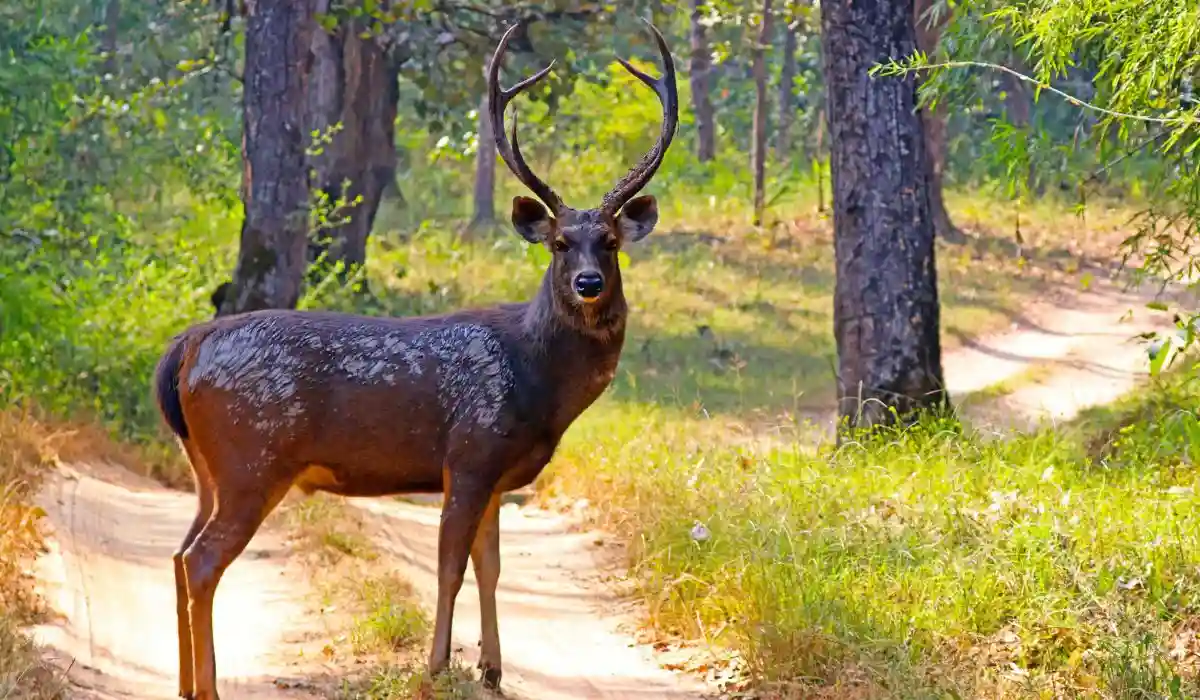
Sambar Deer
Rusa unicolor
Vulnerable
All zones ยท Common
India's largest deer species. Deep "dhank" alarm bark warns of tiger or leopard. Frequently seen near water sources. Males carry impressive multi-tined antlers.
Spotted deer chital in Rajaji forest
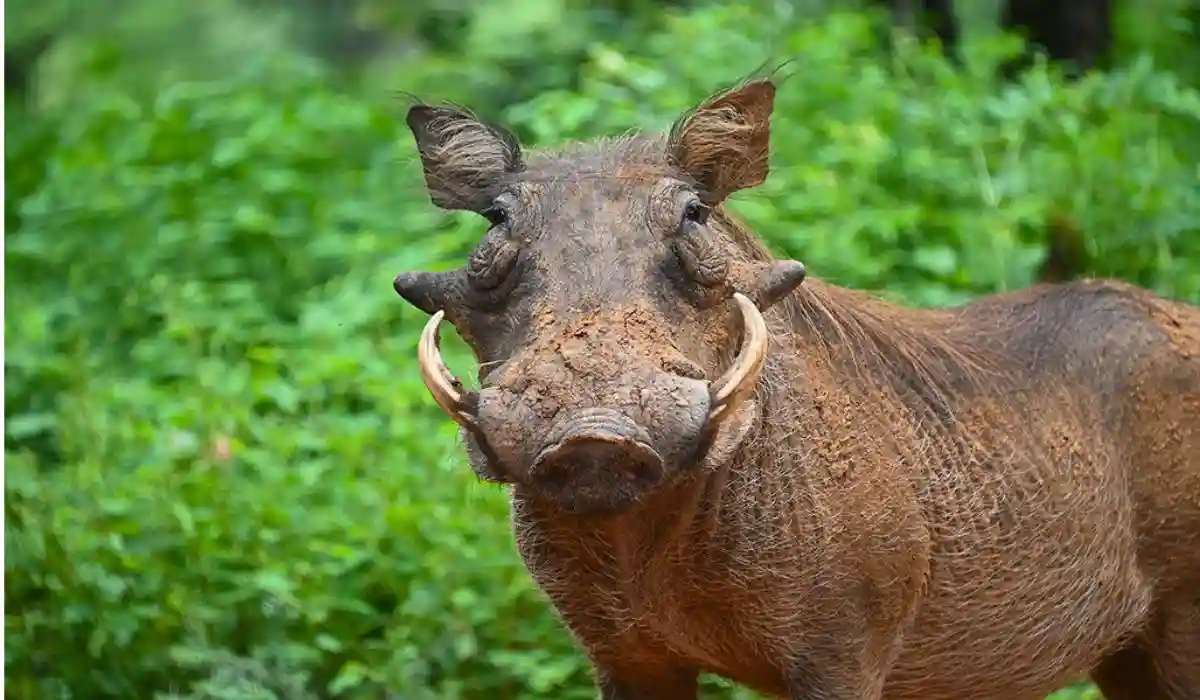
Wild Boar
Sus scrofa
Least Concern
All zones ยท Common
Heavily built, tusked omnivore. Common in all safari zones. Often seen rooting through forest floor for food. Striped piglets seen with sows in spring (March-April).
Spotted deer chital in Rajaji forest
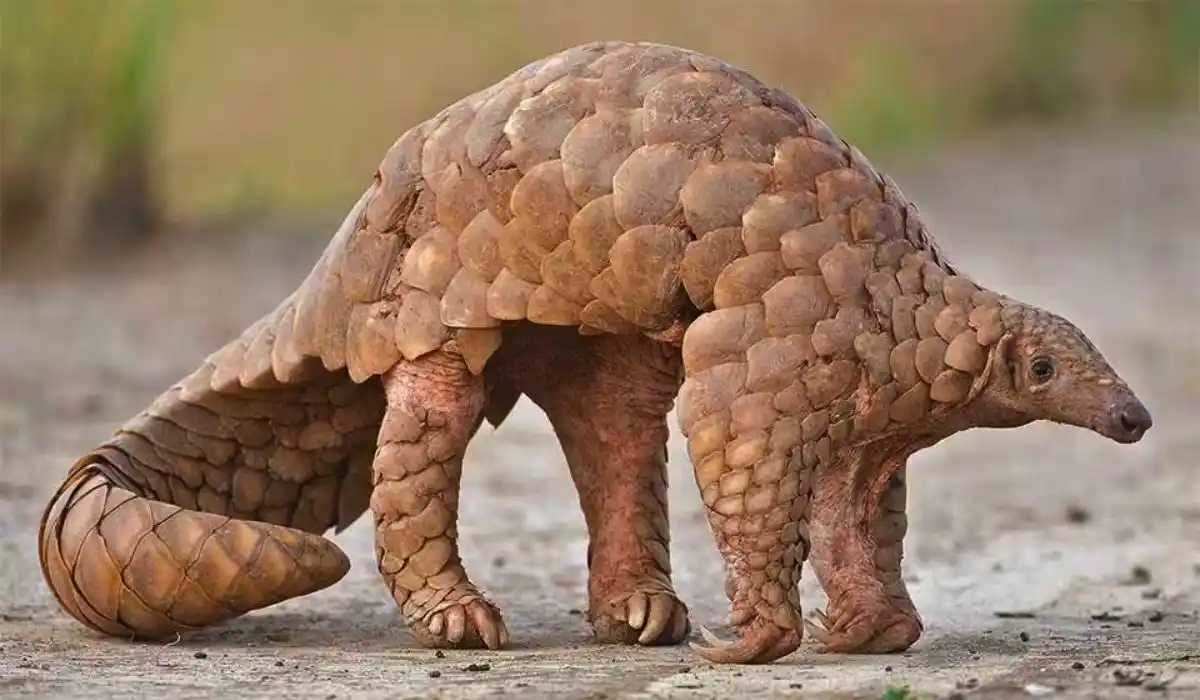
Indian Pangolin
Manis crassicaudata
Endangered
Rare ยท Forest Interior
Critically important but rarely seen - nocturnal scale-covered insectivore. Heavily poached globally. A Rajaji pangolin sighting is a true conservation privilege.
Other Mammals Recorded in Rajaji National Park
Himalayan Black Bear Barking Deer (Muntjac) Nilgai (Blue Bull) Jackal Yellow-Throated Marten Jungle Cat Indian Fox Striped Hyena Common Palm Civet Hanuman Langur Rhesus Macaque Indian Porcupine Black-naped Hare Small Indian Civet Dhole (Wild Dog) - Rare

315+ Bird Species - North India's Premier Birding Reserve

Rajaji National Park is one of the most significant birding sites in North India. Its diverse terrain - from the Ganga wetlands (300 m elevation) to the Shivalik ridges (1,400 m) - creates multiple habitat zones, each attracting different bird communities.

151Resident Species
87Migratory Species
49Altitudinal Migrants
7Local Migrants
Best Birding Zones
  • Jhilmil Jheel - 87 migratory waterfowl species ยท Nov-Feb peak
  • Mohand Range - Great Pied Hornbill ยท Forest canopy species
  • Motichur Zone - Kingfishers ยท Rollers ยท Forest interior birds
  • Chilla Ganga banks - Fish eagles ยท Cormorants ยท Herons
Birds of Rajaji National Park - Great Pied Hornbill and waterbirds
๐Ÿฆ…
Great Pied Hornbill
Resident ยท Globally Vulnerable

India's largest hornbill - unmistakable yellow-and-black bill casque. Spectacular in flight. Best seen in Mohand Range and Motichur. Nests in large tree cavities.

๐Ÿ“ Mohand Range ยท Motichur Zone
๐Ÿฆ…
Pallas's Fish Eagle
Winter Migrant ยท Vulnerable

Spectacular raptor hunting Mahseer fish in the Ganga shallows. Most active at sunrise near Chilla canal road. Arrives November from Central Asia - leaves by March.

๐Ÿ“ Jhilmil Jheel ยท Chilla Ganga banks
๐Ÿฆ
Crested Serpent Eagle
Resident ยท Common

Bold black-and-white crest. Call is a piercing "kwee-kwee." Expert snake hunter found in forest interior. Frequently seen perched on open branches near Chilla and Motichur.

๐Ÿ“ All zones ยท Year-round
๐Ÿฆ
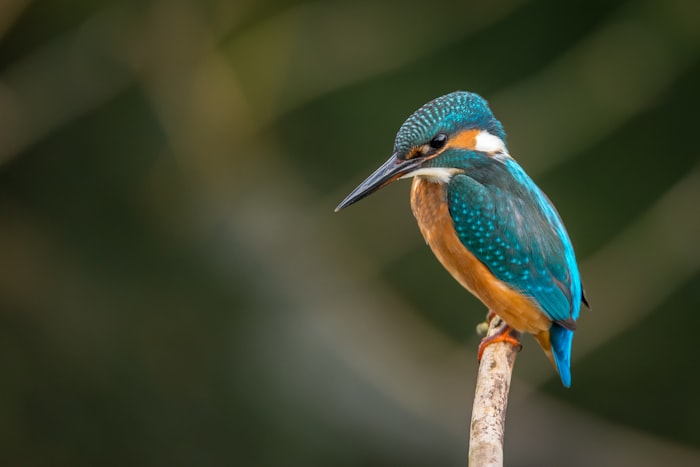
Himalayan Pied Kingfisher
Resident ยท Common

Distinctive hovering flight before plunging for fish. Extremely active along the Ganga canal road at sunrise. One of the most photographed birds in Chilla Zone.

๐Ÿ“ Chilla Ganga banks ยท Motichur
๐Ÿฆš
Indian Peafowl
Resident ยท Very Common

India's national bird. Males display spectacular iridescent plumage in spring (March-April). Heard more often than seen - loud wailing call echoes through the forest.

๐Ÿ“ All zones ยท Year-round
๐Ÿฆ†
Migratory Waterfowl
Winter Migrants ยท Nov-Feb

87 migratory species arrive at Jhilmil Jheel from Siberia and Central Asia - Pochards, Teals, Mallards, Shellducks, herons, plovers, and waders. November is peak arrival month.

๐Ÿ“ Jhilmil Jheel ยท November-February
๐Ÿ“
Red Jungle Fowl
Resident ยท Common

Wild ancestor of domestic chickens. Brilliantly coloured males crow at dawn. Common in undergrowth across all zones - alert, fast, and surprisingly difficult to photograph well.

๐Ÿ“ All zones ยท Year-round
๐Ÿฆ‰
Mottled Wood Owl
Resident ยท Nocturnal

Large owl with distinctive mottled brown plumage. Calls with an eerie "chooowee" in the forest at dusk. Occasionally roosting owls are spotted during morning safaris.

๐Ÿ“ Chilla forest interior ยท Dusk
More Notable Birds of Rajaji
Khaleej Pheasant Black-necked Stork White-naped Woodpecker Slaty-headed Parakeet Northern Goshawk Crested Kingfisher Yellow-billed Blue Magpie Black-bellied Tern Pallas's Fish Eagle Green Avadavat Scaly Thrush Indian Roller Rusty-cheeked Scimitar Babbler Drongo Cuckoo Black-hooded Oriole
Gharial on Ganga sandbanks Rajaji National Park ๐ŸŠ
Gharial
Gavialis gangeticus - Critically Endangered

The most endangered large reptile in Rajaji. A fish-eating crocodilian with a distinctive long, narrow snout adapted for catching fish. Males develop a ghara (pot-like growth) on the snout tip. Rajaji's Ganga sandbanks near Chilla Gate are among the best places to see this critically rare species basking in winter sun. Best months: November-February.

๐Ÿ
Indian Python
Python molurus - Vulnerable

One of Asia's largest snakes - adults reach 3-5 metres. Found near water sources in all zones. Non-venomous constrictor that preys on deer fawns and rodents. Occasionally seen sunbathing near water in early morning. Remarkable but harmless if given space.

๐Ÿ
King Cobra
Ophiophagus hannah - Vulnerable

World's longest venomous snake - up to 5.5 metres. Found in dense forest, especially near bamboo clumps and water. Sightings are rare and a genuine privilege. The King Cobra is a specialist predator of other snakes. Give a wide berth if encountered.

๐ŸฆŽ
Bengal Monitor Lizard
Varanus bengalensis - Least Concern

India's most common large lizard - up to 2 metres. Frequently seen near water sources and forest edges in all safari zones. Often mistaken for a small crocodile near the Ganga. Excellent swimmer and tree climber.

๐Ÿข
Indian Softshell Turtle
Nilssonia gangetica - Critically Endangered

Large freshwater turtle found in the Ganga and its tributaries within the park. Critically endangered due to hunting and habitat loss. Seen basking on exposed sandbanks near the Ganga in Chilla Zone. A very rare and important sighting.

๐ŸŠ
Mugger Crocodile
Crocodylus palustris - Vulnerable

Broad-snouted freshwater crocodilian found in the Ganga and Rawasan rivers within Rajaji. Unlike the fish-eating Gharial, the Mugger is a generalist predator. Seen basking on sandbanks near Chilla Zone, particularly in winter mornings.

Zone by Zone

Zone-Wise Wildlife Guide

Different zones offer dramatically different wildlife experiences. Use this guide to pick the right zone for the animals you most want to see.

Chilla Zone
Tigers ยท Elephants ยท Gharial
  • โ˜…โ˜…โ˜…โ˜…โ˜… Bengal Tiger - highest probability
  • โ˜…โ˜…โ˜…โ˜…โ˜… Asian Elephant - near daily
  • โ˜…โ˜…โ˜…โ˜… Gharial - Ganga sandbanks
  • โ˜…โ˜…โ˜…โ˜… Spotted Deer & Sambar
  • โ˜…โ˜…โ˜… Indian Leopard
  • โ˜…โ˜…โ˜… Pallas's Fish Eagle
  • โ˜…โ˜… Mugger Crocodile
Motichur Zone
Leopards ยท 200+ Birds
  • โ˜…โ˜…โ˜…โ˜…โ˜… Indian Leopard - excellent
  • โ˜…โ˜…โ˜…โ˜…โ˜… Bird species - 200+ recorded
  • โ˜…โ˜…โ˜…โ˜… Asian Elephant - regular
  • โ˜…โ˜…โ˜…โ˜… Great Pied Hornbill
  • โ˜…โ˜…โ˜… Bengal Tiger - occasional
  • โ˜…โ˜…โ˜… Wild Boar & Sambar
Jhilmil Jheel
Barasingha ยท 87 Migratory Birds
  • โ˜…โ˜…โ˜…โ˜…โ˜… Barasingha - only habitat in UK
  • โ˜…โ˜…โ˜…โ˜…โ˜… Migratory waterfowl - Nov-Feb
  • โ˜…โ˜…โ˜…โ˜… Pallas's Fish Eagle
  • โ˜…โ˜…โ˜…โ˜… Black-necked Stork
  • โ˜…โ˜… Bengal Tiger - rare
  • โ˜…โ˜…โ˜… Otters - Jhilmil stream
Ranipur Zone
Goral ยท Leopards ยท Solitude
  • โ˜…โ˜…โ˜…โ˜…โ˜… Himalayan Goral - rocky ridges
  • โ˜…โ˜…โ˜…โ˜… Indian Leopard - outcrops
  • โ˜…โ˜…โ˜… Sambar & Barking Deer
  • โ˜…โ˜…โ˜… Various raptors
  • โ˜…โ˜… Bengal Tiger - occasional
  • โ˜… Very quiet - few visitors
Mohand Range
Great Hornbill ยท Forest Birds
  • โ˜…โ˜…โ˜…โ˜…โ˜… Great Pied Hornbill
  • โ˜…โ˜…โ˜…โ˜… Forest raptors & eagles
  • โ˜…โ˜…โ˜…โ˜… Himalayan Goral
  • โ˜…โ˜…โ˜… Asian Elephant - regular
  • โ˜…โ˜…โ˜… Khaleej Pheasant
  • โ˜…โ˜… Dehradun side - less crowded
Best Season by Animal
Quick Reference
  • - Tiger: May-June (waterhole)
  • - Elephant: Year-round
  • - Leopard: Jan-April
  • - Barasingha: Nov-Feb
  • - Migratory birds: Nov-Feb
  • - Gharial basking: Nov-Mar
Flora & Habitat

Forests of Rajaji - 110+ Tree Species

Rajaji's terrain spans 300 m to 1,400 m elevation, creating five distinct vegetation zones. Each zone supports different wildlife communities and defines the safari experience.

Dominant Forest
Sal Forest

Shorea robusta - tall, straight-trunked trees forming the dominant forest type. Dense canopy with filtered light. Primary tiger and leopard territory. Sal forests cover 60% of Rajaji's area. Magnificent in the golden morning light of a Chilla safari.

Elephants ยท Tigers ยท Leopards
Wetland Habitat
Jhilmil Wetland

Uttarakhand's only conservation reserve wetland. Riverine marsh with tall grasslands, ox-bow lakes, and seasonal pools. Critical habitat for the Barasingha (Swamp Deer) and 87 migratory bird species. Unique ecosystem unlike anything else in the park.

Barasingha ยท Migratory Birds
Open Habitat
Ganga Grasslands

Wide, flat grasslands along the Ganga riverfront. Feeding grounds for elephant herds, spotted deer, and sambar. Hunting grounds for tigers and leopards. Exposed sandbanks host Gharial and Mugger crocodiles. The most iconic landscape in Rajaji.

Elephants ยท Tiger ยท Gharial
Upper Slopes
Chir Pine & Mixed

Higher elevation slopes (900-1,400 m) support chir pine (Pinus roxburghii) mixed with oak and rhododendron. Cooler, rockier habitat. Domain of the Himalayan Goral. Excellent for raptors and hornbills. Dramatic rocky ridgelines visible from Ranipur and Mohand zones.

Goral ยท Hornbill ยท Raptors
Expert Tips

Wildlife Sighting Expert Tips

Listen for Alarm Calls
Spotted deer bark "pok-pok" in sharp bursts. Sambar give a deep "dhank." Langur monkeys cough loudly. All three mean a predator - tiger or leopard - is within 100-200 metres. Ask your guide to stop and scan when you hear these calls. Silence is more productive than movement.
Time Your Safari Right
6:00-8:30 AM is the golden window for tiger and leopard sightings - animals are most active before the day heats up. In May-June, start even earlier (5:30 AM gate opening) to catch waterhole activity. Evening safaris (3-5 PM) are best for leopards, birds, and photography light.
Use Binoculars
Even if you see a tiger at 200 metres, binoculars completely transform the sighting. 8ร—42 or 10ร—42 are ideal for Rajaji's mixed terrain. For bird watching - especially at Jhilmil Jheel - binoculars are essential. Buy good quality ones; cheap plastic binoculars are worse than useless in low light.
Frequently Asked

Wildlife FAQ

Rajaji National Park has 50+ mammal species. Most commonly seen: Asian Elephant (near-daily in Chilla), Spotted Deer, Sambar, Wild Boar, Langur, and various birds. Frequently but not daily: Bengal Tiger, Indian Leopard, Sloth Bear. Rare but present: Barasingha (Jhilmil only), Himalayan Goral (Ranipur/Mohand), Indian Pangolin, Gharial (Ganga banks).
Rajaji has 315+ documented bird species: 151 resident species, 87 migratory species arriving in winter from Central Asia and Siberia, 49 altitudinal migrants, and 7 local migrants. Notable species: Great Pied Hornbill, Pallas's Fish Eagle, Crested Serpent Eagle, Himalayan Pied Kingfisher, Khaleej Pheasant, and Mottled Wood Owl. Best birding zones: Jhilmil Jheel and Mohand Range.
Rajaji National Park is the north-western distribution limit for Asian elephants in India - no wild elephant population exists west or north of Rajaji. The park holds 350-500 wild elephants, one of India's largest concentrations. Chilla Zone offers near-daily elephant sightings, often in large herds of 15-50 animals. The elephant corridor connecting Rajaji to Jim Corbett National Park is one of India's most important wildlife corridors.
The Gharial (critically endangered fish-eating crocodilian) is found on the Ganga river sandbanks near Chilla Gate. They sunbathe on exposed sandbanks in the morning sun - easiest to spot between November and February when winter sun encourages basking. The Ganga canal road section of the Chilla safari route passes near the best Gharial sandbanks. Ask your guide to slow down at the Ganga riverside stretch.
November to February is the peak bird watching season when 87 migratory species arrive from Central Asia and Siberia. Jhilmil Jheel Conservation Zone is the top birding destination - Pallas's Fish Eagle, Pochards, Teals, and many rare waders. Jhilmil stays open until June 30 (two weeks after the rest of the park closes) - so April-June birding there is also productive for resident species.
Yes - Rajaji has dangerous animals including tigers, leopards, Sloth Bears, King Cobras, and Mugger Crocodiles. However, jeep safaris are entirely safe - you remain in an enclosed Forest Department vehicle with a certified guide throughout the safari. Getting out of the jeep is strictly prohibited and is the most dangerous thing a visitor can do. Wild elephants frequently cross roads near the park after dark - avoid driving on the Haridwar-Rishikesh road at night.

See Rajaji's Wildlife In Person

Book your safari with our expert naturalist guides - they know where every animal hides, drinks, and hunts.

Available 7 AM - 9 PM ยท View Packages โ†’ ยท Check Prices โ†’

Call For Safari Chat With Us